
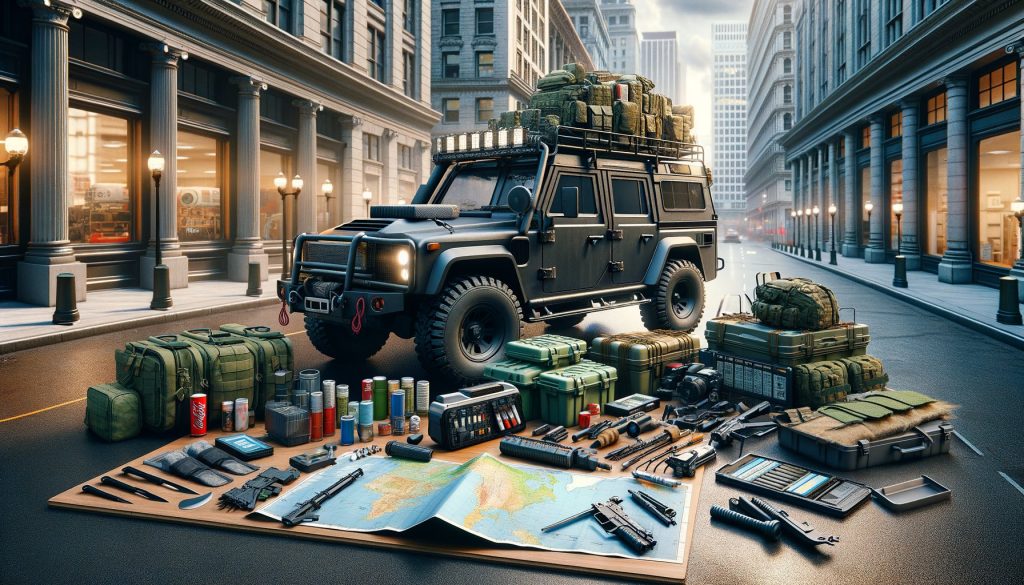
There’s a chill in the air — An uncanny silence that hangs heavy, a harbinger of the chaos to come. The city once bustling with life now stands still, a ghost town. Suddenly a sound, distant but growing, shatters the silence. It’s them… They’ve found you. Your heart pounds, adrenaline surges through your veins. The only thing standing between you and them is your vehicle. This isn’t a scene from a dystopian novel, it’s a potential reality. In a world increasingly fraught with danger and uncertainty, knowing how to escape and evade in an urban environment using a vehicle could be the difference between life and death.
Understanding the Basics of Vehicle Escape and Evasion
Vehicle escape and evasion is more than just driving away from a threat. It’s a set of skills and knowledge — understanding how to manipulate your vehicle in high-stress situations, knowing the layout of your city, and being able to quickly assess and react to changing circumstances.
Your vehicle is more than just transportation, it’s your mobile fortress. It’s crucial to understand its capabilities and limitations. A sports car may be fast, but it can’t handle rough terrain like an SUV. A large truck may be sturdy, but its size could make it difficult to maneuver in tight urban spaces. Understand what your vehicle can and can’t do, and adjust your escape and evasion tactics accordingly.
Preparation is Key
When it comes to vehicle escape and evasion, preparation is crucial. This includes maintaining your vehicle in top condition, keeping your fuel tank full, and having a well-stocked emergency kit on board. Your kit should include basics like water, food, first aid supplies, and a flashlight, but also tools for vehicle repair and escape, like a multi-tool, tire repair kit, and window breaker.
But preparation doesn’t stop at your vehicle. You also need to prepare yourself. This means staying alert to your surroundings and potential threats, knowing the layout of your city, and having a plan. Where will you go if you need to escape? What routes will you take? What alternatives do you have if your primary route is blocked? Preparation is the first step to survival.
Driving Techniques for Escape and Evasion
Knowing how to drive in high-stress situations is a critical part of vehicle escape and evasion. This includes techniques like high-speed cornering, reversing at speed, and ramming. High-speed cornering allows you to maintain control of your vehicle while making quick turns. Reversing at speed is useful if you need to quickly retreat from a threat. Ramming, while destructive, may be necessary if your escape route is blocked.
These techniques require practice. Consider taking a defensive driving course to learn these and other skills. Remember, the goal isn’t to become a stunt driver, but to learn how to handle your vehicle effectively under pressure.
Using Your Vehicle as a Barrier
In some scenarios, you may need to use your vehicle as a barrier. This could be to block a pursuing vehicle, to create a physical barrier between you and a threat, or to provide cover if under fire. How you use your vehicle as a barrier will depend on your specific circumstances, but the key is to think creatively and use what you have to your advantage.
Actionable Steps for Vehicle Escape and Evasion
Now that we’ve covered the basics, let’s look at some actionable steps you can take to improve your vehicle escape and evasion skills.
1. Maintain Your Vehicle: Ensure your vehicle is in top condition with regular servicing and maintenance. Check your tires, brakes, and engine regularly. Make sure your headlights and taillights are working properly. A breakdown during an escape could be fatal.
2. Keep Your Fuel Tank Full: Always keep your fuel tank at least half full. You never know when you’ll need to make a quick escape, and the last thing you want is to run out of gas.
3. Stock an Emergency Kit: Keep a well-stocked emergency kit in your vehicle. Include water, food, a first aid kit, a flashlight, a multi-tool, a tire repair kit, a window breaker, and any other items you feel may be necessary in an emergency.
4. Learn the Layout of Your City: Familiarize yourself with the layout of your city. Know the main routes, but also the back streets and alleys. Understand where you can find resources like fuel stations, medical facilities, and safe havens.
5. Take a Defensive Driving Course: Consider taking a defensive driving course to learn the skills you need to handle your vehicle in high-stress situations. Practice these skills regularly.
6. Stay Alert: Always stay alert to your surroundings and potential threats. Keep your eyes moving, check your mirrors regularly, and be aware of what’s happening around you.
7. Have a Plan: Know where you’ll go and what routes you’ll take if you need to escape. Have alternate routes in mind if your primary route is blocked. Understand where you can find resources and safe havens along your route.
Conclusion
Vehicle escape and evasion is a critical skill set for urban survival. It’s more than just driving away from a threat. It involves understanding your vehicle’s capabilities, knowing how to handle it in high-stress situations, preparing yourself and your vehicle for potential threats, and using your vehicle as a tool and a shield.
By taking the actionable steps outlined above, you can improve your vehicle escape and evasion skills and increase your chances of survival in a dangerous situation. Remember, the key to survival isn’t just to react to threats, but to anticipate them and prepare accordingly. Stay alert, stay prepared, and stay safe.
The Blueprint for Independence
Building true resilience means securing every pillar of your independence, not just one. Here is where to start.
If you want to grow your own food supply, the 4ft Farm Blueprint shows you exactly how to produce six months of food in a fraction of the space, insulating your family from grocery store shortages and supply chain failures.
For the tools, gear, and supplies required to build your off-grid infrastructure, Homesteader Depot has everything you need to get the job done right.
To stay ahead of the next crisis and receive actionable intelligence on grid vulnerabilities, economic threats, and self-reliance strategies, join the Self Reliance Report.
Understanding the political and economic forces driving today’s crises is critical; American Downfall provides the unfiltered analysis you won’t find on the evening news.
True resilience also requires physical vitality. Seven Holistics offers the natural health solutions necessary to thrive outside the medical matrix.
And for daily strategies on maintaining your physical independence when traditional systems fail, Freedom Health Daily is your essential guide to medical self-reliance.
The window to prepare is open. Build your stronghold now.