
Your Daily Install connects what’s happening now with a useful pattern from the past—and one simple step you can take today to make your household more resilient.
Print the worksheet below, fill it in, and add it to your Household Resilience Network binder.
What’s happening now?
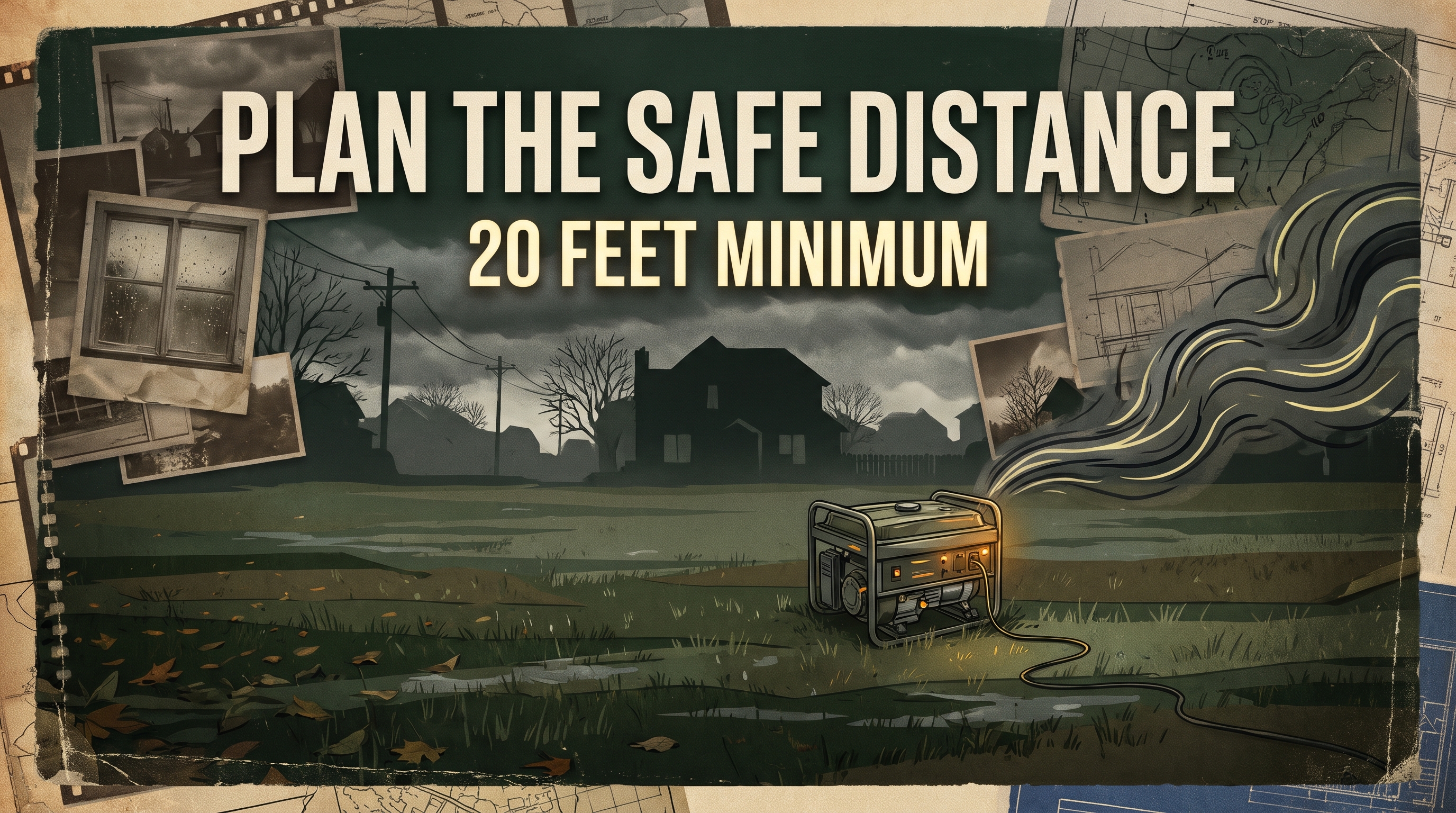
The house goes dark. Rain starts. The garage looks like the easy place to put the generator. That shortcut can send deadly exhaust indoors.
NOAA’s winter outlook is a reminder to plan for changing weather before the outage. Generator placement deserves its own check—even if you already own the equipment.
Today’s job is choosing a safe location, with the generator off. No test run needed.
Has this happened before?
As Hurricane Isabel approached in September 2003, the Consumer Product Safety Commission warned families about generators and carbon monoxide. After the storm, CDC issued a health advisory on carbon monoxide poisonings.
People were trying to bring power back. The equipment helping them could create a second emergency when exhaust reached an enclosed space.
What happened next?
The storm left a clear lesson: backup power needs a safe operating plan. Owning the machine does not finish the preparation.
Put distance between exhaust and people. Current CDC guidance says portable fuel-burning equipment belongs outdoors, at least 20 feet from doors, windows and vents. An open garage door is not a substitute.
Been pulling up this yellow flower?
You call it a weed. Someone who knows wild plants stops for a closer look. See the food-identification skill behind that second glance.
TAP Here to Watch the Foraging Lesson →What can I do?
Spend 15 minutes walking the yard. With the equipment off, identify an open outdoor place at least 20 feet from every building opening, including nearby homes. Exhaust must point away from buildings. Follow the maker’s instructions, too.
Write down the proposed spot and what still needs checking: safe weather protection, suitable outdoor cords and working battery-backed CO alarms. If your property has no safe spot, do not force a setup.
Never run it in a home, garage or porch enclosure, and never feed power into a wall outlet. Have a qualified electrician handle any home connection. If a CO alarm sounds, get everyone outside and call 911.
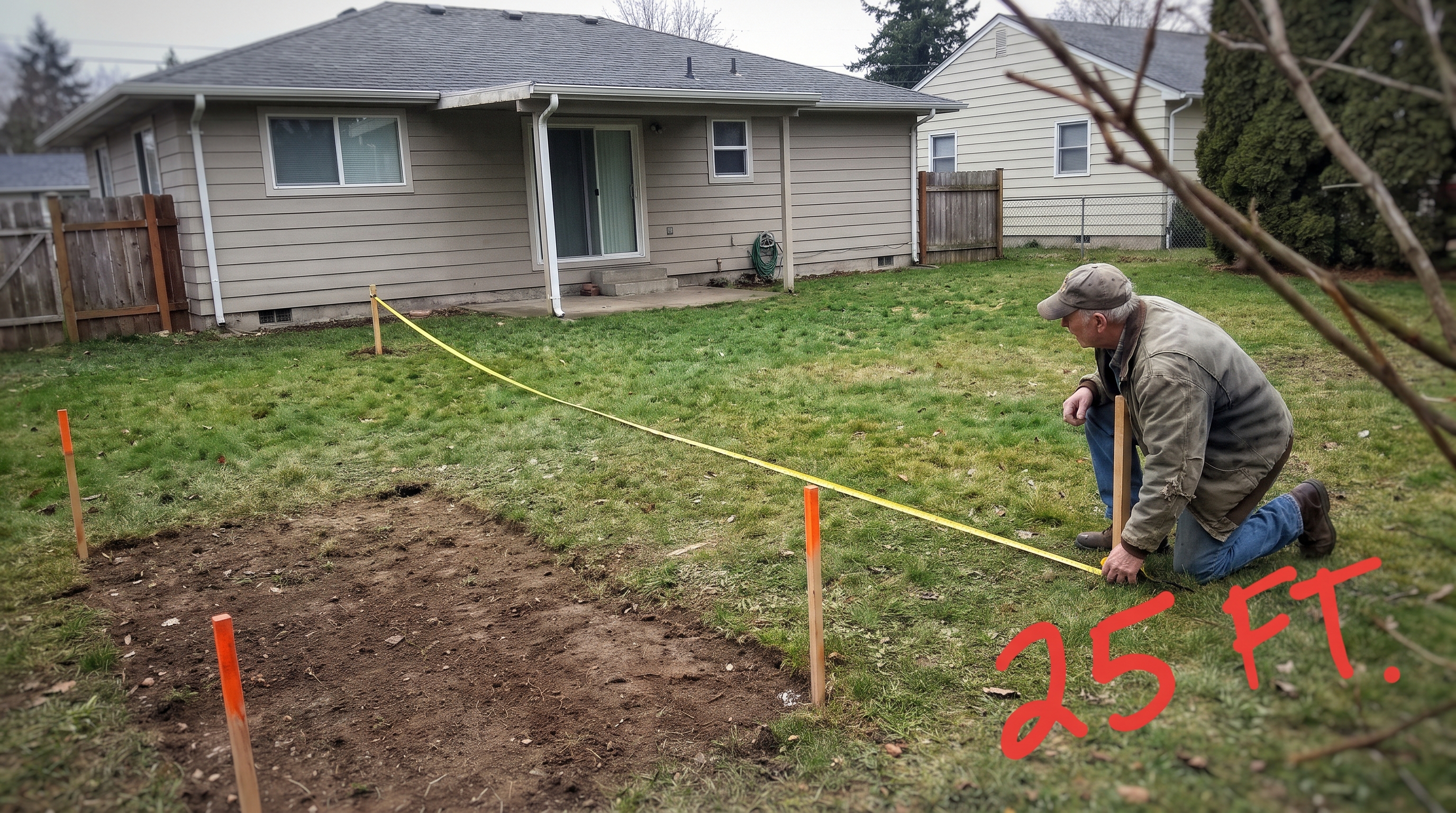
Illustrative household example. Fill in your own details below.
My Generator Location Check
Date: __________
File under: Backup Power Safety
Choose before starting
Proposed open outdoor spot:
Nearest door / window / vent distance:
Check the rest of the setup
☐ At least 20 feet from openings ☐ Exhaust away
CO alarms / cord or weather question:
☐ Safe spot confirmed OR ☐ Do not use here
Today’s win: A safe location is identified—or you know the property needs a different backup-power plan.
Power is one backup. Fresh food can be another.

You cannot control every outage or every store delivery. You can begin building one small food skill at home.
Our friends at 4 Foot Farm make a modern Victory Garden manageable. Clear picture steps. Small-space setups. Indoor options for the colder months.
Start with one food you already use. Learn the routine before adding more. That is how a useful backup grows without becoming a burden.
Your VIP link unlocks over 80% off the COMPLETE digital Blueprint and both bonuses. See the starting plan.
| TAP Here for the COMPLETE Blueprint → |
Stay steady,
David Stone
Survival Stronghold
P.S. Is the safe-distance check harder than you expected? Reply with yes or no. Forward this before someone wheels a generator into the garage.
P.P.S. Want the short route to the COMPLETE small-space food-growing Blueprint? PRESS Here to See the Starting Plan →